
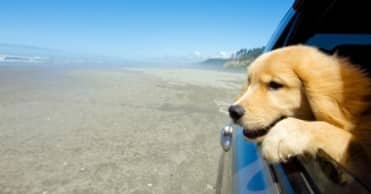
Cats, dogs and hamsters for many areFamily members. Therefore, they must rest together with the whole family. However, on the way to the place of rest, you will find many surprises and restrictions. To avoid getting trapped, you should prepare for the journey in advance.
At the first stage, you need to prepare yourself and prepare your pet for the trip.
Take care of a pet's comfortable rest (a,And, consequently, about one's own) will have to be at the planning stage of the trip. The first thing to do is get a veterinary permit, and also make all the necessary vaccinations in the veterinary clinic. So you protect your pet from disease, and yourself - from unnecessary problems with the law. The list of necessary vaccinations depends on the country where you intend to go, but almost everywhere you need a vaccination against rabies. A certificate of animal health must be received no earlier than three days before departure.

You should also worry about living, andMore precisely, make sure that the hotel you choose is allowed to be populated with animals. An oral response from the administrator or the representative of the hotel is, in some cases, sufficient, however, to get rid of doubt, ask for written permission by e-mail or regular mail.
Stage two - on the road
Moving, whether it be a car, plane or train,Will be a difficult test for your pet. Therefore, if you have never before endured it on the street and did not even drive it in a car, familiarize it with this mode of transport in advance. So the animal will get used to it a little and learn how to behave on the road.

Traveling by car, you are spared from observance of numerous rules of transportation of animals. You only need to take with you drinking water and pet food (zoobudka.ru), As well as a container, if the animal is more comfortableTravel in it and hygienic litter in case of trouble. It will not be superfluous to collect a special first-aid kit with everything you need, which may be needed in a new place: bandages, drops for the eyes and ears, means for restoring the intestine, hygienic napkins,
If you are making a voyage on a train or plane,You have to follow the rules of carrying animals. With a cat or a dog of medium size you will be allowed into any train car, except for a sleeping one, if the animal is in a container, box or basket. If you are a lucky owner of a large breed dog, buy a ticket to the compartment car (according to the »Rules for transport of animals and birds by rail») and put a muzzle and a collar on the dog.
When flying by air transport of large animals(Weighing more than 8 kg) will have to »put in luggage» in the cargo compartment. Smaller animals can travel in the cabin with you. In this case, the weight of the animal is paid separately according to the tariffs of the airline, and the pet will have to be transported only in a container that meets the requirements of the International Association of Air Carriers. ? The dimensions of the container must be equal to the height of the animal and two times wider than it. The length of the container is considered based on the length of the animal's body plus half the length of the paw. These are general rules, but each company usually sets its own requirements for transportation of animals - be sure to familiarize yourself with them before the trip.

Stage three - on vacation
Arrival to a new location can causeUnusual behavior of your pet - he wants to know everything and go everywhere. Therefore, try to keep it all the time in sight, and better - on a leash. And attach a label to the collar with all the necessary information about the owners of the animal. In this case, if lost, you will easily find and return the pet. Find the animal in case of loss will also help his photo, if you took it with you in advance.
Employees of the hotel should be warned,That you travel with animals. If you leave the room, leaving the pet one, then inform the maintenance staff about it. If you notice unusual behavior or signs of illness in the animal - contact your local veterinarian.
Have a good rest!


